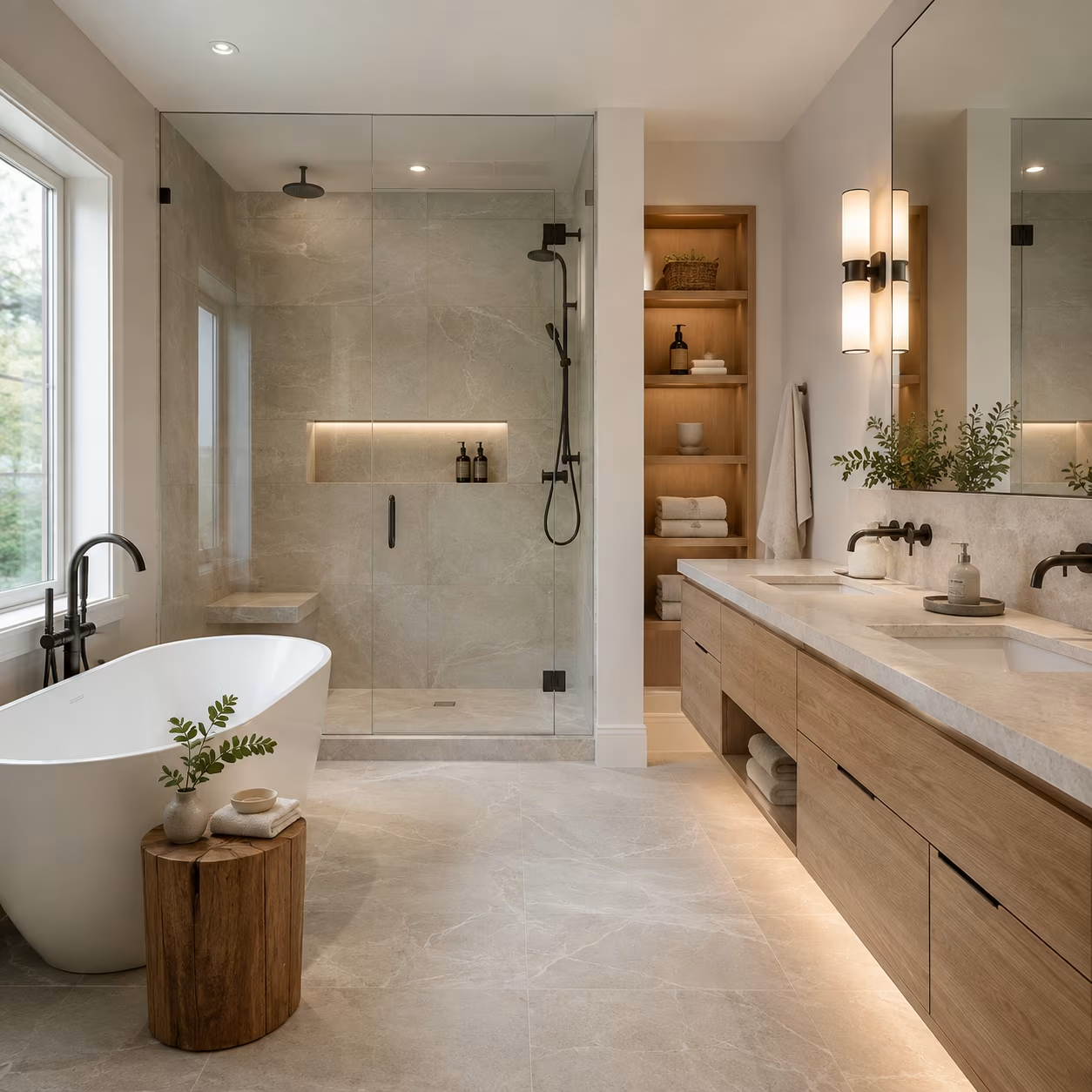
Bathroom budgeting guide
A bathroom estimate should describe the work behind the finishes as clearly as the visible products. Demolition, plumbing and electrical changes, ventilation, waterproofing, substrate preparation, cabinetry, tile, fixtures, paint, and final accessories can all affect the scope even in a compact room.
Use this page to prepare questions and selections before requesting proposals. It is not a quote or an average-price promise. A contractor must review the existing bathroom, understand the proposed layout, and confirm product allowances and approval requirements before providing project-specific pricing.
Layout changes can reshape the trade scope
Keeping a tub, shower, toilet, and vanity in their current locations may reduce invasive work, while moving them can require new drains, vents, supply lines, electrical routes, framing, and floor repairs. Ask the proposal to distinguish cosmetic replacement from layout work and to state whether access from adjacent rooms or ceilings is included.
Waterproofing and substrate work belong in the quote
Tile is only the visible layer of a wet-area assembly. The estimate should identify demolition, wall and floor preparation, the waterproofing approach, shower base or tub installation, transitions, and testing or inspection responsibilities where applicable. Existing leaks, rot, mould, or uneven framing can add corrective work that is difficult to confirm before demolition.
Selections and allowances need comparable detail
Vanities, stone tops, tile, faucets, shower glass, lighting, mirrors, and plumbing fixtures vary widely in supply cost and installation complexity. Confirm whether allowances include tax, delivery, waste, setting materials, and labour. Product availability also affects scheduling, so finalizing long-lead selections before demolition can reduce avoidable substitutions and delays.
Budget for ventilation, permits, and discoveries
Electrical, plumbing, structural, or ventilation changes may require permits or specialist review depending on the work. Older bathrooms can also reveal damaged subfloors, unvented fans, non-compliant wiring, or previous alterations once finishes are removed. Keep a documented contingency and require written change approval before additional work proceeds.